
Imogene’s Unexpected Interest
The Best Christmas Pageant EverThis character arc follows Imogene from a guarded, practical curiosity to an emotional response to the story she had never known.
increasing Bearing strength in each event
 decreasing
Bearing strength in each eventdecreasingA Question about the Play
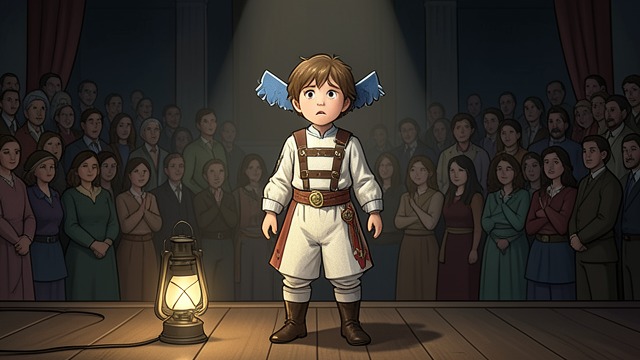
Curiosity Breaks Through
Attention Caught
Imogene asks what the pageant is and what it is about. When she learns it concerns Jesus, she initially dismisses the subject as another church topic.
Interest Beneath the Dismissal
Her questions show that she is listening despite her dismissive remark. The play offers a story different from the ordinary rules and punishments she expects.
Choosing Mary

Imogene Claims the Central Role
An Unusual Volunteer
When the expected candidate does not raise her hand, Imogene volunteers to play Mary. She acts decisively without understanding why the role is traditionally treated as sacred.
A Role Taken Seriously
Her choice is not presented as a joke to her. By becoming Mary, she gains a reason to ask what happened to the child and his family.
Learning the Story
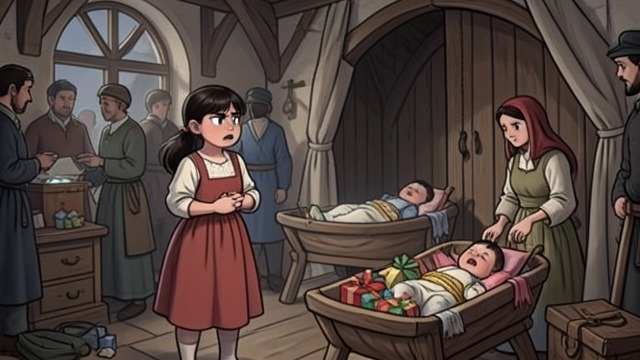
A Beginner’s Questions
Details Newly Discovered
Imogene learns about the crowded inn, the stable, the manger, and the visitors bearing gifts. She reacts with indignation when Mary and the baby appear to have been left without proper care.
Moral Attention
Her response is direct and practical: someone should have made room or protected the family. This uncomplicated concern challenges those who have learned to overlook the story’s hardship.
Protecting the Baby

Mary Becomes a Mother
Taking Charge
Imogene guards the doll, insists on naming it, and objects to people coming too close. Her behavior departs from the silent, composed Mary envisioned by the director.
An Instinctive Connection
The role gives her a space to express protection and responsibility. Her practical performance hints at why the story’s vulnerable baby matters to her.
Tears in the Candlelight

A Guarded Child Is Moved
The Unexpected Moment
Imogene cries during “Silent Night,” making her the performance’s most surprising presence. She does not conceal the tears or explain them to the audience.
A Quiet Transformation
The narrator understands the tears as a response to the Christmas story’s wonder. Imogene’s emotions complicate the community’s belief that the Herdman children are incapable of tenderness.
At the end of the first Sunday-school visit
At the casting meeting
At the first rehearsal
At the last rehearsal
During the closing carol on pageant night
